
Blog
How We Onboard New Hires: Our 90-Day Program
How 3rd Element onboards every new hire: a mentor, a structured first month, ITIL and root cause analysis training, check-ins with leadership, and an honest way out at 60 days.
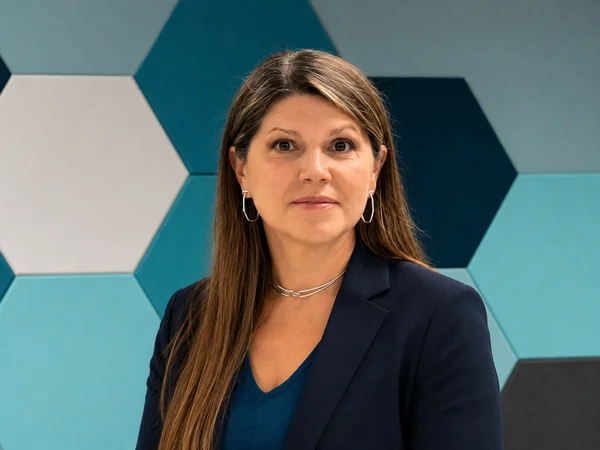 Dawn Sizer · CEO and Co-Founder, 3rd Element Consulting
Every new hire at 3rd Element goes through the same 90-day onboarding program, whether they're a technician, an engineer, or in operations. The program started when our son Connor joined the company and we had to rethink how we trained people (you can read that story here). It has been refined with every hire since. Here is how it works today.
A mentor from day one
Each new hire is paired with a mentor. We choose mentors for compatibility and tenure: someone who has been here long enough to know how things really work, who would be a good role model, and who shares the new person's professional interests. The mentor's job is to anticipate the questions a new person is likely to have and start those conversations, because many people won't ask.
Month one: most of the training
The first month is where most of the training happens, laid out week by week.
All of our company policies live in our internal policy and training platform. New hires work through them in weekly modules and are quizzed on each one. They sign off that they understand each policy before moving on. If a quiz doesn't go well, they review the material and try again. Our HR team is available the whole time for anyone who has questions.
Alongside the policies, month one covers the skills that make the technical work go well:
- ITIL training, which covers how IT service should be delivered
- Root cause analysis, so issues get fixed at the source instead of closed and reopened
- Communication, including how to answer the phone
- Scheduling and time management
That last one matters more than people expect. Managing a day of tickets, projects, and client calls takes organization, and we teach it directly instead of assuming everyone already knows how.
We also run the company on EOS, so new hires learn from the start how our meetings and priorities work.
Months two and three: putting it to work
Months two and three each have one training module. Most of the time goes into doing the work with support close by. By then, a new hire has the policies, the process, and the people they need, and the focus shifts to building confidence in real client environments.
Check-ins over coffee
At 30, 60, and 90 days, leadership meets with each new hire outside the office at a local coffee shop. Getting away from desks and screens makes it easier to talk honestly about what is going well, what isn't, and what the person needs.
At 60 days, an honest way out
At the 60-day check-in, we offer every new hire money to leave, typically the amount of a full paycheck. By then they have seen the job, the environment, and the policies and procedures we hold everyone to. If it isn't the right fit, this is their out, with no hard feelings.
When someone has real doubts about our policies at 60 days, those doubts rarely go away. A few people who stayed later parted ways with us over policies we don't make exceptions to. The offer exists to make that decision easier, earlier, and on good terms.
Every hire improves the next onboarding
We ask every new hire for feedback on their onboarding and use it to add to or adjust the material. The program a new person goes through today has been shaped by everyone who came before them.
What this means if you're thinking about joining us
You won't be handed a laptop and left to figure things out. You'll have a mentor, a clear plan for your first month, regular time with leadership, HR available when you have questions, and an honest checkpoint partway through. Employee coverage for health, dental, vision, and life insurance is paid for by 3rd Element, and our PEO provides a 401(k) and tools to help manage your finances.
If that sounds like the kind of place you want to work, take a look at our careers page.
Next step
Get a clearer view of your IT environment.
Find out what is working, where the risks are, and what needs attention next.